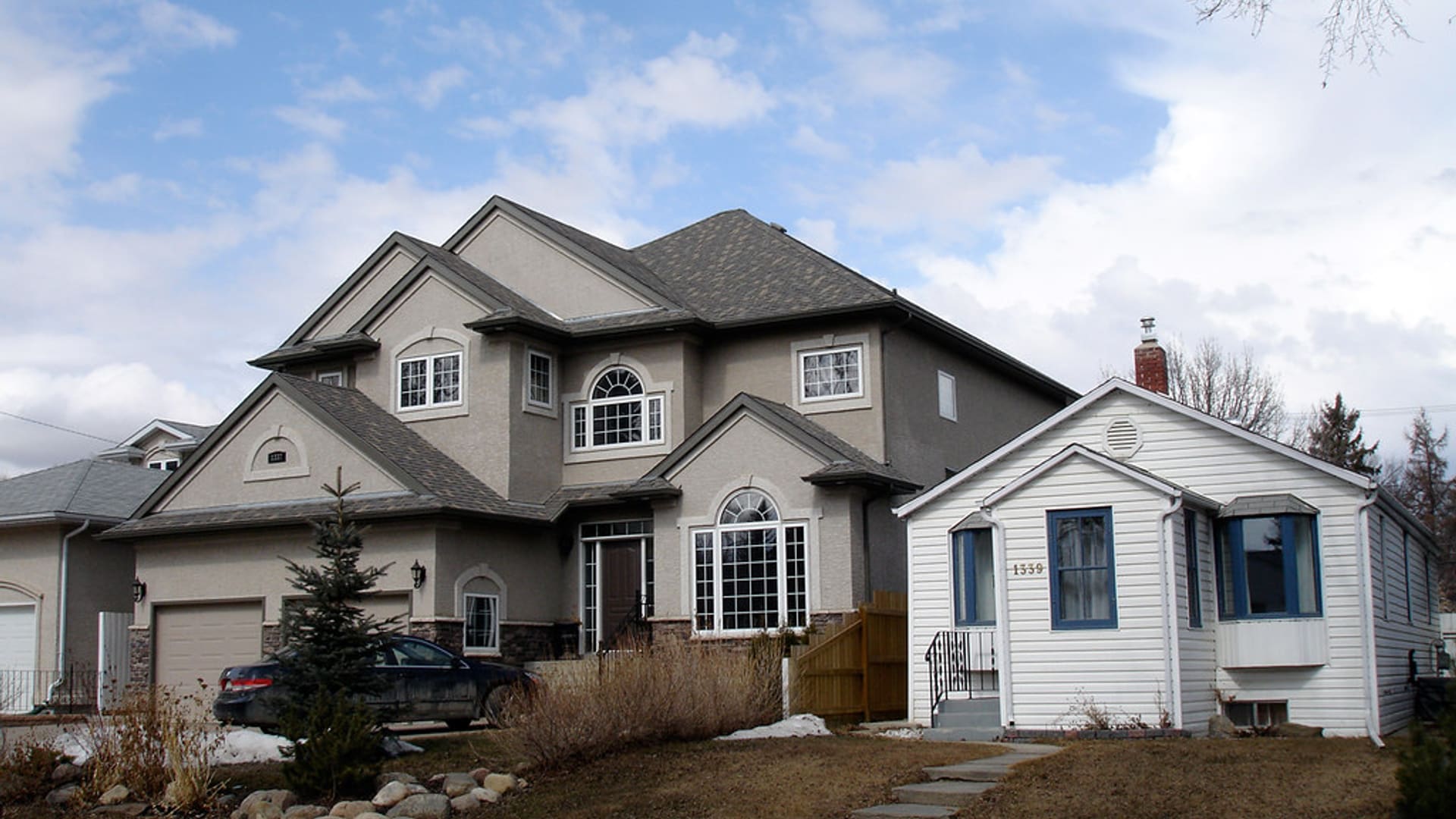
Siding repair for hail-marked vinyl, wind-loosened panels, water behind cladding, trim damage, and storm scopes that include roof and exterior work.
A loose panel below a roof edge may be a wind repair, a matching problem, or the visible end
of water moving behind the wall. Vinyl can crack or unlock; fiber cement can chip or absorb
moisture at a bad clearance; trim can soften below an overflowing gutter. If Fort Wayne
siding damage sits near a roof leak, gutter spill, or storm impact,
call (260) 276-7426 for an exterior
inspection that looks at the wall and the roofline together.
Storm Marks on Wall Panels
Hail may dent aluminum, chip fiber cement, crack vinyl, or leave one wall elevation marked
while the rest of the house looks normal. Wind can unlock panels, snap corners, and uncover
housewrap. When siding damage appears after the same weather that hit the roof, schedule
storm and hail roof documentation at the same
time so the exterior is reviewed as one property condition.
Profile and Color Matching
Older siding can be difficult to match because profiles change, colors fade, and new panels
may not lock tightly into older stock. A responsible quote explains that limitation before
materials are ordered. On a side wall, a close repair may be acceptable; on a street-facing
gable, replacing a wider section can look cleaner than dotting the wall with mismatched
pieces.
One Exterior Scope After Weather
Weather does not divide damage by trade. Ridge caps, vents, gutter faces, trim wraps, and
siding can all show marks from one storm path. If water is entering through the roof, handle
roof leak repair first, then document the siding once the
home is protected. If a gutter is sending water behind panels, bring
gutter repair into the same inspection.
Hidden Moisture Behind Panels
A cracked panel can be only the visible part of the problem. Open seams, bad flashing, or
gutter overflow can send water into sheathing, trim, framing, or insulation. The repair may
involve removing panels, checking the weather barrier, drying the wall, and correcting the
opening that let water in. Window stains, soft trim, swollen boards, and musty interior walls
are reasons to inspect beyond the broken piece.
Choosing A Repair Area
The best siding scope depends on material, age, fade, moisture, and visibility from the
street. A small section can work when the profile matches and the wall is dry. Broader
replacement is easier to justify when damage crosses an elevation, panels are brittle, or the
only available material would make the house look patched. Use the
roof repair cost guide for roof-related budget context, then
have siding priced separately in writing.
Details The Written Siding Scope Should Name
A useful proposal identifies the wall elevation, siding material and exposure, trim to be
removed, weather barrier work, flashing transitions, fasteners, disposal, and the limits of
any color match. If hidden sheathing is wet, the quote should describe how additional work is
approved before the wall is closed. Roof, gutter, fascia, and siding items should remain
separate even when one storm caused all of them.
Exterior repair scopes should identify material, moisture risk, roof-edge drainage, and storm marks.
Fort Wayne homes include vinyl, fiber cement, brick accents, complex gables, older trim,
and rooflines where gutter or flashing problems can show up as siding damage. Aboite and
Pine Valley homes may have different exterior packages than older homes near Lakeside or
North Anthony, so the quote should identify the siding type before promising a match. To
start the inspection, call (260) 276-7426.
Frequently Asked Questions
What if my siding color or profile is no longer made?
The contractor should verify the profile, color, exposure, and fade before promising a match. If stock cannot be matched cleanly, the written quote may compare a small less-visible repair with replacing a larger elevation.
Should roof, gutters, and siding be checked in one storm visit?
Yes. The same hail or wind event can mark shingles, vents, gutters, trim, and wall panels. One exterior review keeps the documentation together while leaving coverage decisions to the insurer.
What changes if water is behind the siding?
Panels may need to come off so the sheathing, wrap, flashing, trim, and framing can be inspected. Wet materials can change the job from a panel swap to wall repair and drying.
Does the siding material change the repair?
Yes. Vinyl, aluminum, fiber cement, and trim boards each use different removal, fastening, clearance, and finish details. The quote should identify the material before it prices the repair.