What is included in a Fort Wayne roof inspection?
The contractor checks shingles, ridge caps, valleys, flashing, pipe boots, vents, roof edges, gutters, visible decking concerns, storm marks, and attic or interior clues when access is available.
Schedule a roof inspection when a ridge looks uneven after wind, granules collect at a downspout, an attic board darkens, or an aging roof needs a repair-versus-replace answer. A Fort Wayne inspection should connect those clues to shingles, flashing, ventilation, decking, and drainage. Call (260) 276-7426 for a free basic inspection with photos and a written next step when work is needed.
The outside check includes shingle condition, missing or lifted tabs, ridge caps, valleys, step flashing, pipe boots, roof vents, skylights, chimney details, drip edge, gutters, and downspout discharge. Hail and wind marks can be subtle, so the contractor should photograph roof slopes and related gutter or siding clues when storm damage is possible. After a fresh hail or wind event, tie the inspection to storm and hail documentation so the photos stay organized.
Not every roof problem is obvious from above. Attic access may show dark sheathing, frost patterns, bathroom fans vented poorly, light around penetrations, compressed insulation, or stale air that points to ventilation trouble. Fort Wayne freeze-thaw cycles and humid summer heat can both shorten roof life when ventilation is weak. If attic evidence confirms water movement, the recommendation may shift toward leak repair, maintenance, or replacement pricing.
Book an inspection after hail, after strong wind, before buying or selling, when a roof is approaching the end of its expected life, before winter, or after you see ceiling stains. Fall leaves enough time for flashing, gutter, ventilation, and sealant corrections before snow. Spring inspections catch winter wear before summer storm season. For routine seasonal work, compare the findings with roof maintenance.
A useful inspection does not turn every mark into a repair. Sometimes the roof is fine for now. Sometimes the answer is a boot, a valley, a few shingles, or a gutter correction. Sometimes the roof is old enough that another repair is not wise. Photos make those paths easier to compare, especially if you are gathering more than one bid.
Close-ups prove a split boot or creased shingle, while wider images show the roof plane, nearby material, ridges, valleys, and drainage below it. Both views matter. A stain without an exterior path is incomplete evidence, and one damaged tab without the surrounding slope cannot show whether repair is practical.
Ask the inspector to label what needs action now, what can be maintained, and what should be watched through another season. If work is recommended, the report should support a scope detailed enough for another contractor to compare. It should not turn every cosmetic mark into a claim or every old roof into an automatic replacement.
Inspection keeps pricing realistic. A free basic inspection includes roof photos; formal written reports, engineering opinions, or specialty evaluations may be handled differently by the operating contractor. Once the roof condition is known, the roof repair cost guide can help you place the quote into a minor, moderate, major, emergency, or replacement range.
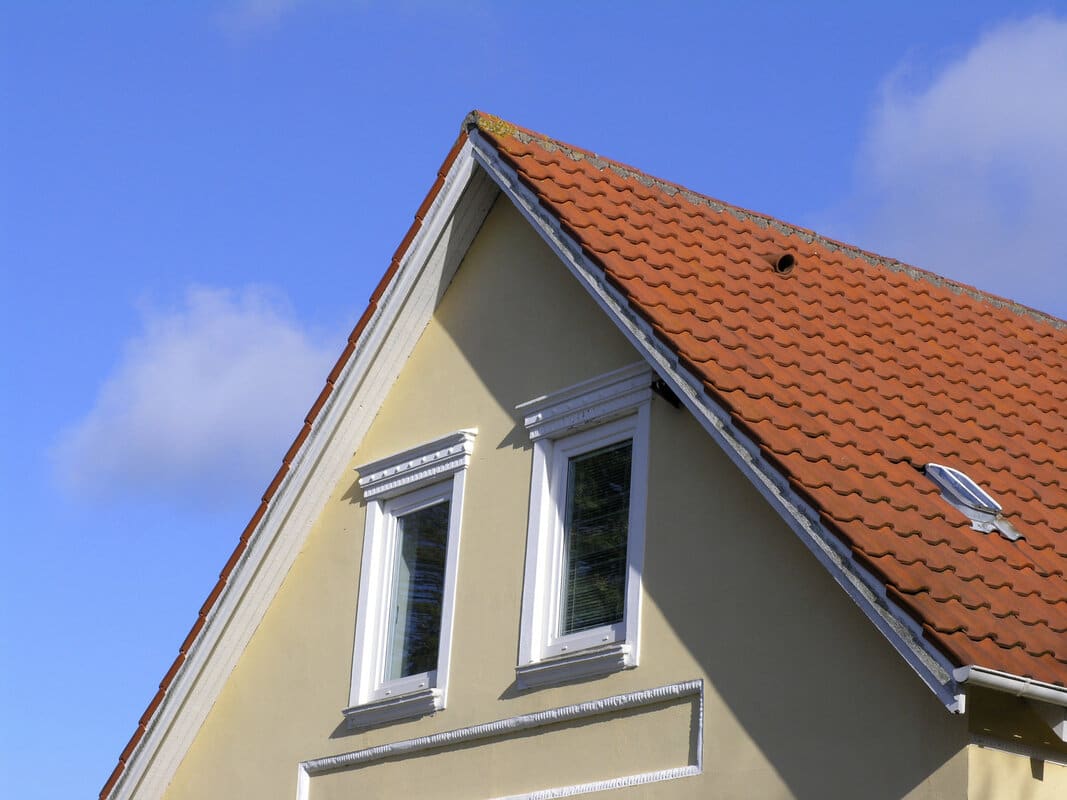
Fort Wayne inspections vary by housing era. Early homes near Lakeside and North Anthony can have layered flashing and altered rooflines. Postwar ranches in Waynedale and Georgetown expose long eaves and simpler slopes. Larger Aboite and Pine Valley roofs add valleys, while newer builds toward Huntertown can take more open-field wind. The report should account for the roof in front of the inspector.
The contractor checks shingles, ridge caps, valleys, flashing, pipe boots, vents, roof edges, gutters, visible decking concerns, storm marks, and attic or interior clues when access is available.
Yes, a useful inspection should include photos of problem areas or photos showing why no repair is recommended. The images help you compare the recommendation to a written quote.
Late summer or fall is a good time because small flashing, gutter, ventilation, and sealant issues can be addressed before snow, ice, and freeze-thaw cycles stress the roof.
Yes. A credible inspection can lead to no work, monitoring, maintenance, repair, or replacement pricing depending on what the roof actually shows.
Fort Wayne Roof Pros
(260) 276-7426