How should I handle water coming in right now?
Move valuables, catch the drip, stay away from wet electrical fixtures, and take interior photos if it is safe. Leave the roof surface alone until a contractor can inspect it.
When rain is dripping through a ceiling seam or a branch has opened the deck, the first job is to reduce the water entering the house. Wind can peel a shingle field, hail can expose an already weak detail, and ice can drive meltwater beneath an eave. Call (260) 276-7426 for Fort Wayne emergency roof repair, describe only what you can see safely, and keep everyone off the roof.
Move furniture, electronics, rugs, and stored items out of the leak path. Catch water with buckets or towels, and avoid ceiling fixtures where water may be present. If drywall is sagging, it may be holding water; do not poke it unless you can do so safely and away from electrical risk. Photos of the ceiling, attic, fallen branches, and shingles on the ground help the contractor understand urgency before arrival.
A dry-in may include a tarp over an open roof plane, temporary flashing at a wall or chimney, sealant around an exposed penetration, or board-up after a branch impact. Temporary work is not the final repair; it is a way to keep rain out until shingles, flashing, underlayment, and decking can be inspected. The contractor should tell you what the temporary protection covers, where it is vulnerable, and how quickly a permanent scope should follow.
Once the home is protected, the repair can be priced properly. The permanent scope may be a small shingle repair, a pipe boot, a valley rebuild, chimney flashing, decking replacement, or a larger section repair. If the damage followed hail or severe wind, the same visit may include storm damage documentation. If the roof is already brittle, repeatedly patched, or wet across a broad section, a replacement quote may be part of the conversation.
After a derecho-style wind event or hail outbreak, emergency requests can stack up across Fort Wayne, New Haven, Huntertown, and the surrounding counties. Honest triage matters. A roof with water entering a bedroom or open decking takes priority over a dry roof with a few missing tabs. If your issue is stable, booking an inspection still matters, but arrival windows should be realistic instead of promised beyond what weather and crews allow.
Emergency work should be photographed before and after temporary protection. Those photos explain the later repair quote and can support your own insurance file when storm damage is involved. Planning ranges for tarps, minor repairs, moderate scopes, and major section work are listed on the roof repair cost page, but the final amount depends on site conditions.
A tarp does not prove how much decking is wet, whether matching shingles remain available, or whether a broad storm scope is covered by insurance. Those questions wait for safe access and a permanent inspection. Ask for the temporary work, its limits, and the follow-up date to be written separately so an emergency invoice does not become an undefined replacement agreement.
If the opening involves structural decking or the work expands to replacement, the contractor should verify the permit requirements for the Fort Wayne, Allen County, or nearby municipal address. Coverage decisions remain with the insurer, and a deductible should never appear as a roofing discount.
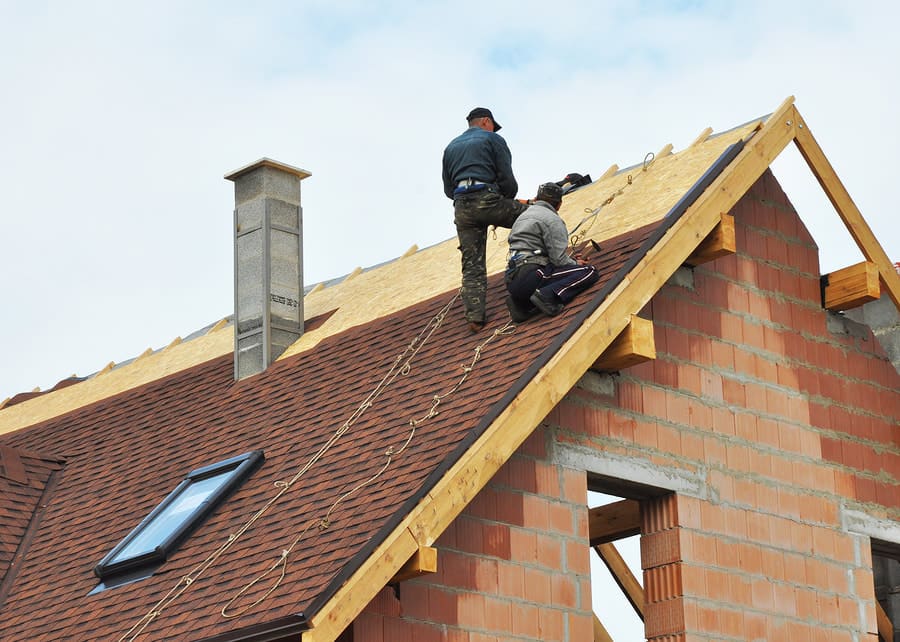
Emergency calls in Fort Wayne often come from the same weather swings that define this market: spring hail, summer wind, winter ice, freeze-thaw leaks, and branch impacts in older tree-lined neighborhoods. The safest sequence is simple: protect the inside, document from a safe position, get the roof dry, then approve the permanent repair in writing.
Move valuables, catch the drip, stay away from wet electrical fixtures, and take interior photos if it is safe. Leave the roof surface alone until a contractor can inspect it.
Yes. A tarp, temporary flashing, or dry-in protects the house while weather, material matching, inspection photos, and the permanent written scope are handled.
Active interior water, open decking, tree impact, unsafe roof sections, and vulnerable occupants generally come before cosmetic concerns or dry missing shingles.
No. Wet shingles, wind, hidden decking damage, and electrical hazards make emergency roof work dangerous. Document from the ground or inside and let trained crews handle the roof surface.
Fort Wayne Roof Pros
(260) 276-7426