Roofing Services

Leak work starts by proving the entry point, then deciding whether the surrounding Fort Wayne roof is still healthy enough for a focused repair.
If water is entering now, call (260) 276-7426 and stay off the roof.
Fort Wayne roof trouble often appears indoors first: a brown ring after angled rain, damp insulation during a thaw, grit below a downspout, or a ridge tab in the yard after wind. The region averages about 33.6 inches of snow a year, while spring hail, derecho-type straight-line winds, freeze-thaw movement, and tree impact test entirely different details. Fort Wayne Roof Pros connects homeowners with an insured independent contractor for leak repair, storm photos, emergency dry-ins, replacement guidance, inspections, maintenance, gutters, and siding across Allen County and nearby communities.
The useful answer follows the roof. A cracked boot on a Waynedale ranch, a valley leak in Georgetown, a wind-lifted ridge in Pine Valley, and soft sheathing beneath a West Central flashing joint need different openings and materials. The contractor should show the failure in context, explain what must be removed, and price the work in writing. If a focused repair can hold, scope it. If surrounding shingles fracture or several areas are wet, compare replacement before paying for another short-lived patch. For nearby routes, see areas we serve, including New Haven, Huntertown, and Columbia City.

Leak Tracing · Hail And Wind Photos · Repair-Or-Replace Clarity
Leak work starts by proving the entry point, then deciding whether the surrounding Fort Wayne roof is still healthy enough for a focused repair.
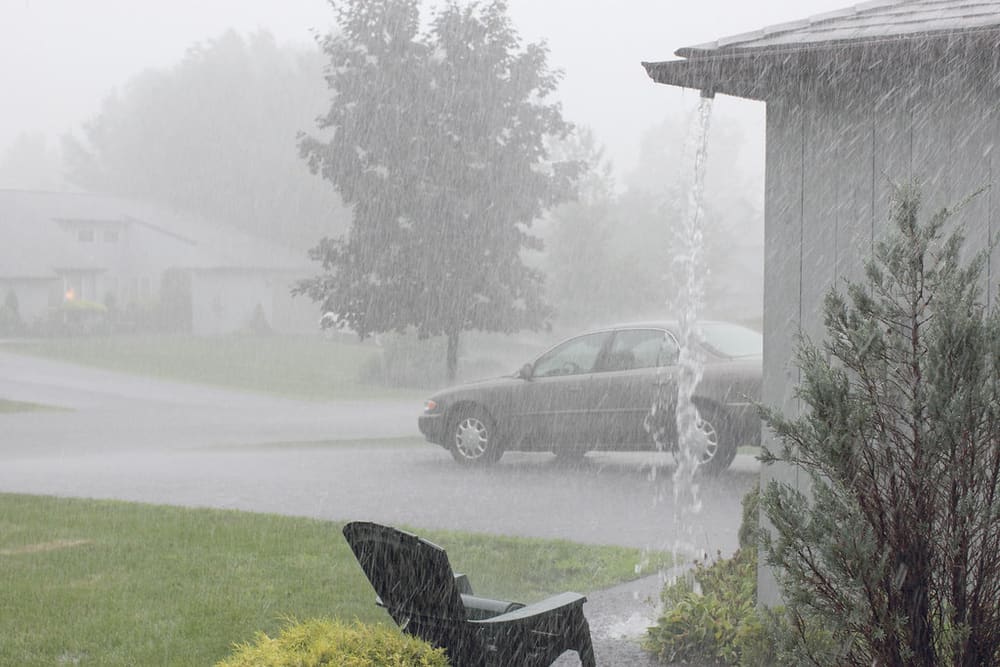
Gutter repair looks at pitch, outlets, fascia, downspout discharge, tree cover, and roof-edge water before replacement is recommended.
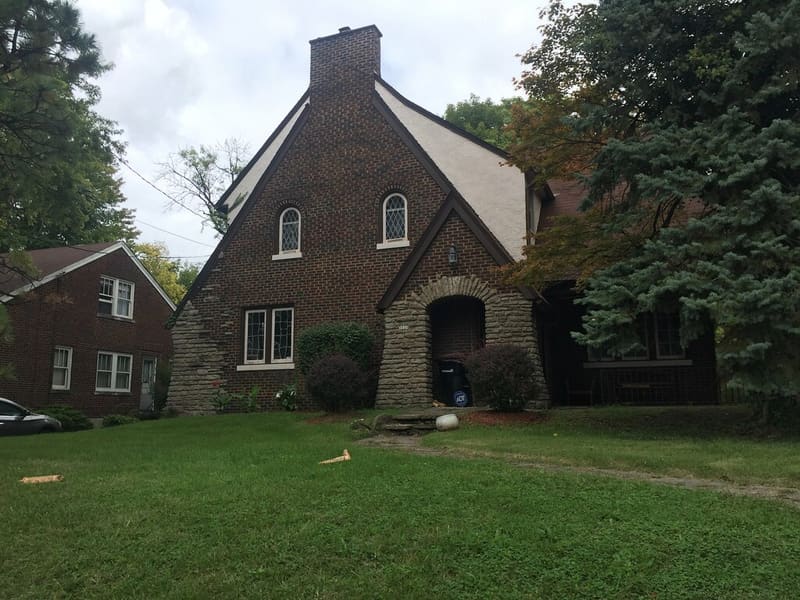
Siding work checks storm marks, moisture behind panels, trim openings, and whether the material can be matched without a patched look.
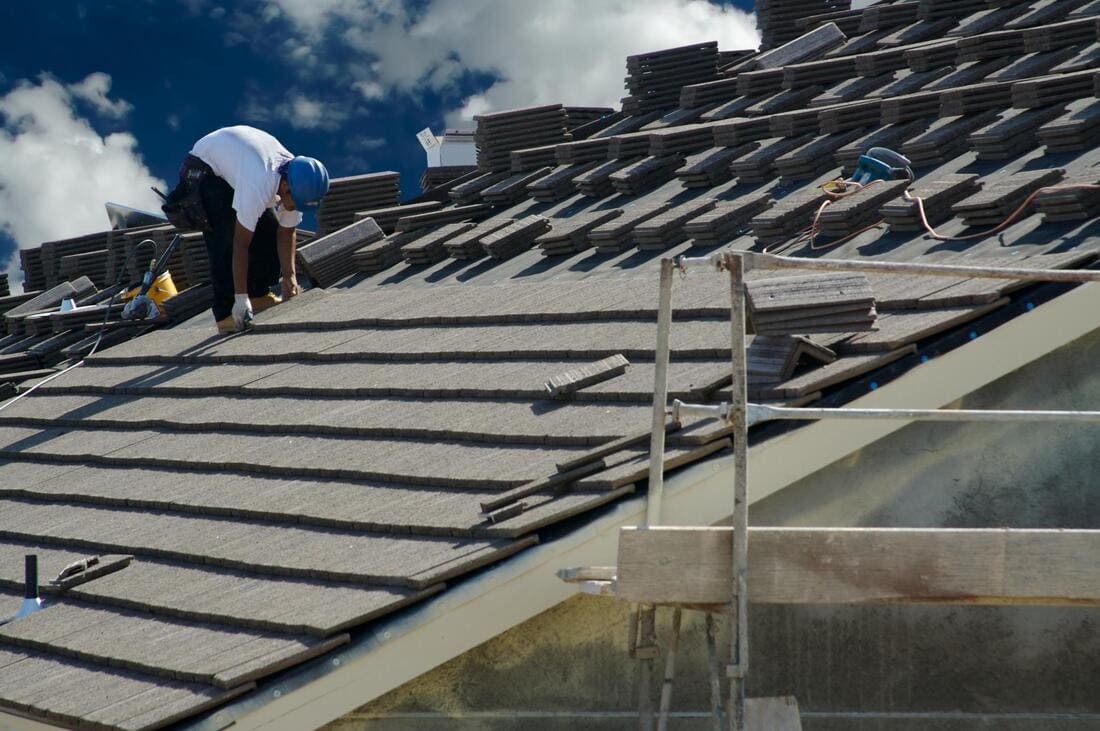
A responsible roof inspection looks for the smallest durable fix first, then checks whether the rest of the roof can support that fix. Pipe boots, sidewall flashing, nail pops, valley wear, attic ventilation, storm-lifted shingles, and soft decking are reviewed together. If a repair is likely to hold, it should be scoped as a repair. If the roof is too brittle or too wet underneath, the quote should say why replacement is the better spend.
Hail and wind work should be documented, not dramatized. Photos of roof slopes, vents, ridge caps, gutters, siding, and indoor water signs help homeowners and insurers understand the observed damage. Insurance coverage belongs to the carrier, and the contractor should not turn a deductible into a discount or treat coverage as certain. A clean scope is more useful than a sales promise after a storm.
Indiana does not have a statewide roofing license. Allen County licenses contractors through its Building Department, while nearby jurisdictions may apply other local requirements. Ask the serving contractor to identify the insured business, provide any local license or registration that applies to the address, and state who verifies permit requirements before a large repair or replacement is signed.
Start with the address, roof age if known, recent weather, where water appears, and whether anything fell on the roof. Ground photos, attic photos, or ceiling stain photos help. Roof photos are not worth a fall, especially during rain, ice, or wind.
The contractor checks the suspect area and nearby roof details, then documents what is visible. Storm calls may also include soft metals, gutters, siding, and interior water paths. Older roofs get a broader condition check so a small repair is not priced in isolation.
A quote should identify the roof plane, materials, access assumptions, decking concerns, cleanup, temporary dry-in needs, and permit responsibility if the job becomes replacement or structural exterior work. When repair and replacement are both reasonable, both paths should be explained.
Roofing work depends on weather, material availability, and roof access. Emergency dry-ins stop water first; permanent repairs follow when the surface can be inspected and repaired properly. For scheduling, call (260) 276-7426 during posted hours.
West Central developed from roughly 1840 through 1935. On those roofs, the visible asphalt may be recent while the framing, chimney, dormer, or porch connection beneath it follows an older geometry. Leak tracing should check how later roofing and additions tie into the original structure. A surface bead of sealant cannot correct step flashing that was buried, reused, or interrupted at a sidewall.
Postwar ranches in Waynedale, Georgetown, and the 46805 and 46815 corridors often present long eaves and broad, accessible planes. That can make a boot or limited shingle repair straightforward, but roof-edge water still needs to be separated from gutter pitch, fascia, and attic heat loss. A stain near an outside wall can come from a flashing opening or from meltwater held at a cold eave.
Larger roofs from the 1970s through the 2000s in Aboite, Pine Valley, Arlington Park, and the north side add valleys, vents, wall intersections, and more runoff to manage. Many systems from the 1990s and 2000s are now in the repair-or-replace window. A single sound repair may still be worthwhile, but brittle surrounding shingles and repeated leaks on different planes should be priced against replacement.
Newer construction toward Huntertown and Leo-Cedarville brings open-field wind exposure and, on rural edges, mixed asphalt and metal details. The inspection should check starter courses, gable edges, ridges, penetrations, and transitions instead of judging the roof only by age. Use the maintenance guide for seasonal checks or the storm repair guide when new damage follows hail or wind.
Whatever the housing era, approve work from a scope you can test. It should identify the failed detail, the surrounding material that must be disturbed, the plan for hidden decking, and the point where additional work requires your consent. That turns roof photos into a repair decision instead of a stack of unexplained close-ups.
Fort Wayne roofing service
Spring hail, straight-line wind, and tornado-season storm bands can leave subtle damage across northeast Indiana roofs. A good storm visit records shingle bruising, lifted tabs, ridge wear, vent dents, gutter marks, siding hits, and interior water without turning the appointment into an insurance promise. The contractor can prepare an itemized scope and meet an adjuster when useful, but deductible discounts and coverage promises stay out of the conversation.
Fort Wayne roofing service
Emergency work is about buying dry time. A branch puncture, torn-off shingle field, ridge opening, or active drip may need a tarp, temporary flashing, or a quick dry-in before the permanent repair is priced. Give the contractor the roof height, access notes, storm timing, and interior symptoms. Do not climb a slick or damaged roof for photos; the useful first photos are often the ceiling, attic, yard debris, and visible exterior opening.
Fort Wayne roofing service
Replacement guidance in Fort Wayne has to account for a broad housing mix: early-1900s homes near West Central and Lakeside, postwar ranches in Waynedale and Georgetown, 1990s and 2000s roofs in Aboite or Pine Valley, and newer north-side builds. A replacement quote should explain tear-off, decking, ventilation, flashing, shingle line, cleanup, and permit responsibility, and it should make clear why another repair would not be a good use of money.
Fort Wayne roofing service
A photo-based inspection is useful after hail, before listing a house, before winter, or when a roof is old enough that every leak raises replacement questions. The contractor checks shingles, ridge caps, penetrations, valleys, gutters, attic clues, ventilation, and storm marks. The best outcome may be repair, maintenance, replacement pricing, or simply a note that the roof should be monitored instead of sold into work it does not need.
Fort Wayne roofing service
Maintenance in northeast Indiana is seasonal and practical: reseal the vulnerable detail, replace the brittle boot, clear the valley, correct a short downspout, and watch attic ventilation before winter makes small defects expensive. It is especially useful for shaded roofs, older neighborhoods with mature trees, and homes that have seen repeat freeze-thaw leaks. Maintenance can extend a sound roof, but it should not be used to mask a roof that should be replaced.
Fort Wayne roofing service
The cost guide gives Fort Wayne planning ranges for minor repairs, leak tracing, major section work, emergency dry-ins, architectural asphalt replacement, gutters, and inspection reports. It is meant to help you compare scopes, not diagnose the roof from a webpage. Pitch, access, roof height, decking condition, storm urgency, and material matching all change the final written quote.
A useful price range should narrow the conversation without pretending the roof has already been inspected. Roof height, pitch, access, shingle type, decking condition, storm urgency, and whether the work is temporary or permanent all move the number. Use these Fort Wayne planning ranges to frame the call, then rely on the written quote for the actual job.
| Tier | Typical range | What it covers |
|---|---|---|
| Minor repair | $225-$550 | Small shingle, nail pop, pipe boot, or limited flashing repair. |
| Moderate repair | $450-$1,100 | Leak tracing, valley work, chimney flashing, or a localized decking patch. |
| Major repair | $1,100-$3,200 | Section repairs involving sheathing, rafters, storm-damaged slopes, or broad flashing rebuilds. |
| Emergency tarp / dry-in | $250-$550 | Temporary protection after active leaks, branch impact, missing shingles, or open decking. |
| Full replacement | $9,000-$20,000 | Architectural asphalt replacement on many Fort Wayne homes; roughly $375-$600 per square installed. |
These are market-typical planning numbers for 2026. The operating contractor confirms scope, materials, access, decking, cleanup, and timing in writing before authorized work begins.
Most small Fort Wayne roof repairs fall in the $225 to $550 range, while leak tracing, valley work, chimney flashing, or decking patches often land between $450 and $1,100. Larger section work can reach $1,100 to $3,200, and emergency tarps are commonly $250 to $550. The firm number comes after an on-roof inspection and written scope.
Indiana does not issue a statewide roofing license. Allen County licenses contractors through its Building Department, while other cities and counties may set local requirements. Ask the serving contractor for the insured business name and any local license or registration that applies to your project address, then verify it with the responsible jurisdiction before signing.
A repair is usually the better first option when damage is limited to one boot, valley, flashing detail, or shingle section and the surrounding roof still has useful life. Replacement deserves a price when leaks repeat in different areas, shingles are brittle, decking is soft, ventilation is poor, or storm damage affects too much of the surface.
The contractor can document visible hail, wind, tree, gutter, siding, and interior water damage, then write an itemized scope and meet an adjuster when appropriate. The insurance company decides coverage. Avoid proposals that turn the deductible into a discount or treat the coverage outcome as certain.
Active water gets triaged ahead of routine inspections when schedules and weather allow. During a widespread hail or wind event, calls are prioritized by interior water, open decking, branch impact, roof access, and forecast. Stay off the roof, control the drip inside, and call with the address and what you can safely see.
Permit requirements depend on the scope and the current rules for Fort Wayne, Allen County, or the municipality where the home sits. The operating contractor should verify permit handling for replacement, structural decking, or exterior work and include that responsibility in the written quote.
Call Us Today
Fort Wayne Roof Pros
(260) 276-7426Get roof photos, repair-versus-replace guidance, and a written quote from an insured contractor serving Fort Wayne and nearby northeast Indiana communities.
“Ceiling stain that had been back twice. They traced it to a flashing seam, not the shingles, and only charged for the seam. The leak has stayed gone.”
“Found the exact boot that was letting water in and replaced it in one visit. Took a little longer than the estimate, but the quote did not move a dollar.”
“Walked the whole roof, showed me photos, and told me I had a few years left instead of pushing a replacement. That is how you earn the next job.”